
WHY THISWORKS FOR EVERYONE
NO PLATFORM FEES
Direct, Simple Connections
QUALITY CONNECTIONS
Genuine Jobs, Real Responses
FASTER TRUST-BUILDING
Clear Profiles & Verified Details
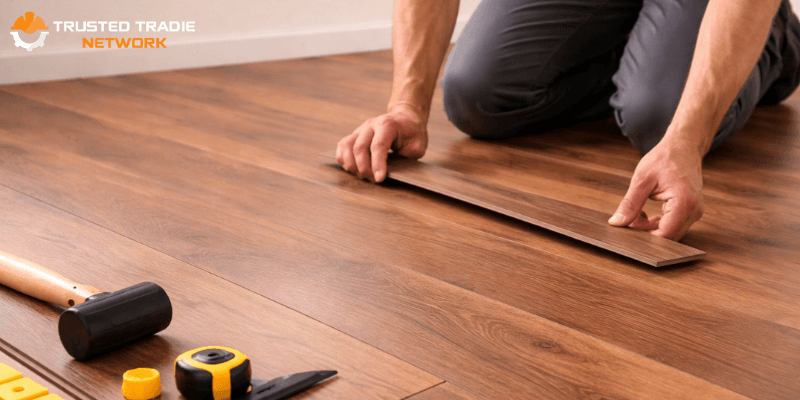
Thinking about new flooring but worried about cost? Most homeowners underestimate the real price. Not because materials are expensive, but because hidden costs add up fast. The cost for the installation can range from $40 to $170+ per square metre on average.
Floating floors have been a popular option for many homes over the years because of their cost-effectiveness, durability, and the installation process. However, the cost of installing a floating wood floor can vary depending on the materials and installation costs.
Whether you’re planning to renovate one room or the entire house, it is crucial to understand the cost before you start the renovation. In this blog, we will discuss everything you need to know before you start the installation.
Floating flooring is a contemporary method of flooring installation, where floating floorboards are placed over the subfloor without nailing or gluing them. Instead, they interlock, forming a stable surface that “floats” over the subfloor.
This method is commonly used by professional floor installer teams, as it is quick, inexpensive, and suitable for different floors. A floating floor is available in different types, including laminate, engineered, and hybrid floors.
It is also flexible, easy to maintain, and aesthetically appealing, which has increased its popularity for use in different settings, including homes and commercial spaces.
The average cost of floating flooring varies depending on the materials used and the scale of the project. Generally, however, homeowners can spend between $40 and $170+ per square metre on floating flooring.
Floating flooring is considered to be a cost-effective alternative to traditional hardwood. The floating wood floor cost, floating timber floorboards, and floating floor cost depend on various factors related to materials and installation.
The estimated cost of floating flooring is shown below:
|
Flooring Type |
Cost per m² (Material) |
Installation Cost per m² |
Total Cost per m² |
|
Laminate Flooring |
$20 – $50 |
$20 – $40 |
$40 – $90 |
|
Engineered Timber |
$60 – $130 |
$30 – $50 |
$90 – $180+ |
|
Hybrid Flooring |
$40 – $110 |
$25 – $45 |
$65 – $155 |
|
Vinyl Plank Flooring |
$30 – $90 |
$20 – $40 |
$50 – $130 |
In general, it is dependent on the type of flooring material you want. The floating floorboards cost per m² range from expensive for engineered wood flooring to more affordable for laminate floating floor cost or vinyl flooring.
This is where budgets usually go wrong. Many quotes don’t include everything. That’s why the final cost to lay floating floor feels higher than expected.
Here are the most common hidden costs for floating boards
Subfloor repairs or leveling.
Removal of old flooring.
Underlay installation.
Skirting boards and trims.
Delivery and material wastage.
Labour for complex layouts.
Even a “cheap” quote can become expensive if these aren’t included.
The overall floating floorboards cost can change depending on several key factors. It is essential to understand these factors so you can better estimate how much you need for your project and avoid surprise costs.
The type of flooring material greatly affects the overall installation cost. Laminate is usually the most affordable, while engineered wood is more expensive. When comparing floating floorboards vs hybrid flooring, hybrid flooring is often preferred due to its better water resistance and cost-effectiveness.
The larger the area, the more expensive it is, but the cost of flooring per square meter will be slightly lower. The cost of flooring per square meter is higher for smaller areas since there are fixed labor costs.
Before the installation of the floating floorboards installation, the subfloor should be clean, leveled, and dry. If any repairs or leveling is needed, then the cost of the installation of the floating floor will also have to be included.
Underlay is a crucial factor for comfort, insulation, and noise reduction. The quality of the underlay also has a direct bearing on the floating floor boards cost.
If you hire a professional for the installation of the flooring, then you have to spend more on the cost of the installation of the floating floorboards.
If you have to remove the old flooring before installing the new one, then you have to spend more on the cost of the installation of the floating floorboards. You may have to remove carpets, tiles, or hardwood flooring before installing a new one. This aspect is often overlooked in the context of the cost of the installation of the floating floorboards.
A simple installation is cheaper, but complex layouts such as herringbone or diagonal styles can increase the cost of a floating timber floor installation.
In understanding the floor board installation cost, it is also important to compare it with other flooring options. For instance, understanding the carpet replacement cost or comparing it with tiles or hardwood can also provide better value for money spent.
The location of your property can also affect the cost of a floating floor installation. Urban areas are usually more expensive due to labor costs. In addition, if accessibility is a problem, for instance, because of many stairs, it can increase the cost of installation.
Additional finishing costs, such as skirting, trims, and moldings, are also part of the overall floating floor installation price. These are additional features that can improve the overall look of your flooring.
The type of flooring also varies in cost. Laminate flooring, for instance, is cheaper than engineered timber. Exploring popular flooring types can help you select the best flooring type based on your needs.
High-quality materials are expensive but can also provide better quality and look. Although it would increase the cost of floating floorboards, it would also reduce maintenance and replacement costs.
By understanding these factors, you can better estimate your total floating floor installation cost and make smarter decisions that align with your budget and flooring needs. Careful planning and the right material choice can help you achieve a durable and cost-effective flooring solution.
Once you understand the cost, the next step is reducing it without compromising quality.
If you are planning to upgrade your floors, there are several clever ways to save money on floorboard installation cost without compromising on quality:
Choose Cost-Effective Materials
Laminate is a cost-effective option compared to timber. This can save you a lot on the cost of a floating floor per m².
Compare Multiple Quotes
It is always a good idea to compare quotes from different contractors or a professional floor board installer.
Prepare the Area Yourself
Doing the work yourself can save you money on the cost of a floating floor.
Buy Materials During Sales
Purchasing the materials during a discount sale can save you money on the cost of a floating floor.
Bundle Renovation Projects
Renovating a house can be a costly affair. Therefore, it is advisable to take up a renovation project and install the floors at the same time. This will reduce the cost of labor charges.
Select Standard Designs
Complicated designs can prove costly. Therefore, it is advisable to go for standard designs, as they are less costly and easier to install.
Consider Alternative Flooring Options
The cost of polished concrete flooring should be compared to ensure it is the most cost-effective option.
When it comes to professional and reliable flooring services, Trusted Tradie Network is a name that stands out.
It connects you with verified professionals who specialize in flooring installation. Instead of guessing, you can compare quotes, check experience, and choose with confidence.
This helps you avoid hidden costs, poor workmanship, and repeat repairs. When the right tradie handles the job, your flooring lasts longer and performs better.
It is important to understand the cost of installing a floating floor to ensure a successful flooring plan. Various factors, such as the cost of materials, labor, and other expenses, come into play for overall floating floor installation prices.
Floating floors are a perfect combination of cost, durability, and aesthetic appeal.
They are a popular choice among homeowners due to their benefits. By comparing and planning well, it is possible to achieve a quality floating floor within your budget.
The biggest mistakes don’t happen during installation. They happen before the work even starts. Take your time, compare properly, and ask the right questions.
Because the right flooring decision is not just about saving money. It’s about avoiding problems later.
The floating floor installation cost typically ranges between $40 to $170+ per square metre, depending on the material, labor, and project complexity.
Laminate flooring is usually the most affordable option. It offers a good balance of durability and appearance at a lower floating floor cost per m² compared to other materials.
Yes, floating floors are designed for easy installation with click-lock systems. However, hiring a professional ensures better finishing and avoids costly mistakes.
Floating floors can last anywhere between 10 to 30 years, depending on the material quality, usage, and maintenance.
Yes, underlay is essential for floating floors as it provides cushioning, noise reduction, and moisture protection, improving overall performance and lifespan.