
WHY THISWORKS FOR EVERYONE
NO PLATFORM FEES
Direct, Simple Connections
QUALITY CONNECTIONS
Genuine Jobs, Real Responses
FASTER TRUST-BUILDING
Clear Profiles & Verified Details
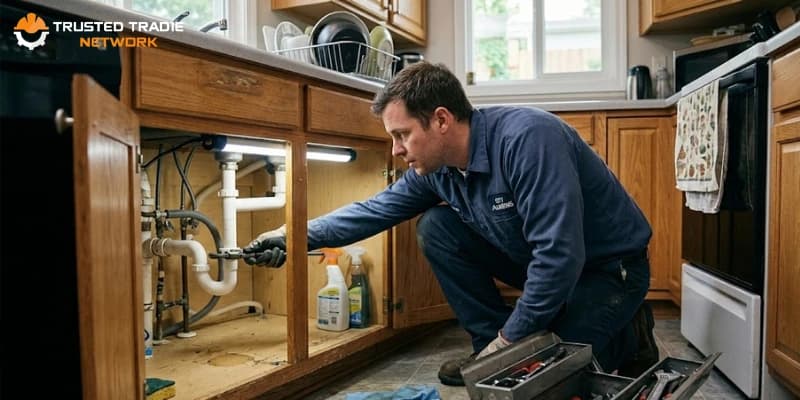
How to become a plumber in Australia is one of the most searched career questions among students and people considering a trade. Plumbing offers stable demand, practical work, and strong earning potential. It is not limited to fixing taps or clearing drains. It involves water systems, drainage networks, gas fitting, and strict safety compliance across homes and commercial sites.
If you are considering a long-term plumbing career, it helps to understand the full pathway before starting. Training, licensing, and hands-on experience all play a major role. Many people also look into salary plumbing expectations early to understand earning potential. With the right qualifications and training, this trade can lead to strong income growth and long-term security.
Let’s break down how the process works step by step.
Becoming a plumber follows a structured path. Each stage builds skill, confidence, and real job experience. Over time, learning turns into practical expertise that employers value. Here are the practical steps to become a carpenter:
Before beginning formal training, it is important to understand the full plumber job profile. Plumbing involves technical knowledge, physical work, and strict safety standards.
Here is what daily work usually includes.
Installing water supply systems in homes and commercial buildings.
Repairing leaks and replacing damaged fittings.
Setting up drainage systems for waste removal.
Working safely with gas and heating systems.
Reading building plans before beginning installations.
This also includes the broader job discussion of plumbing, which covers safety compliance, maintenance, system upgrades, and emergency repairs. There are also clear differences between roofing plumbers vs general plumbers, and understanding those roles helps when choosing a specialization later.
Before starting training, certain basics must be covered. These form the foundation of your trade journey and make it easier to secure an apprenticeship.
The entry expectations usually include the following.
Completion of secondary school.
Strong math skills for measurements and calculations.
A white card to legally work on construction sites.
Physical fitness for lifting tools and working in confined spaces.
A dependable and professional attitude.
Meeting these requirements prepares you for enrolling in plumbing courses and beginning your apprenticeship. Early preparation makes the transition smoother and more confident.
The main pathway into the trade is through a plumbing apprenticeship. This combines paid employment with formal learning over four years. It allows practical development under a qualified supervisor.
This stage usually involves.
Enroll in an approved plumbing course.
Completing required classroom theory and assessments.
Gaining full-time site experience under supervision.
Learning Australian plumbing codes and safety regulations.
Gradually taking on more responsibility over time.
Successful completion leads to a recognized plumbing qualification, which forms the base for professional growth. This stage also results in formal plumber certification, confirming your training and competency.
Experience builds confidence and sharpens skills. Classroom knowledge is important, but real progress happens on job sites.
Practical site work often includes:
Measuring and cutting pipes to precise system layouts.
Installing fixtures such as sinks, toilets, and water heaters.
Testing pressure levels and identifying hidden leaks.
Assisting in drainage planning for new developments.
Working alongside electricians and builders.
This stage prepares you for working as a plumbing technician, handling installations and repairs independently. As experience grows, confidence in handling full projects also increases.
After completing your apprenticeship, applying for a plumbing license becomes essential. Plumbing is regulated in every Australian state, and licensing ensures public safety.
The licensing process typically involves.
Submit proof of completed qualifications.
Providing documented work experience hours.
Meeting state regulatory standards.
Holding required insurance coverage.
Passing assessments if required.
Once approved, you become a licensed plumber, legally permitted to work independently or operate a business. Licensing builds trust and credibility in the industry.
One major reason people consider plumbing is income stability. The average plumber salary in Australia reflects strong demand across residential and commercial sectors.
Level of experience and years in the trade.
Area of specialization.
Location and demand in your region.
Whether you work independently or for a company.
Ability to secure long-term contracts.
Many people ask, is plumbing a good career? The answer often depends on personal goals, but the trade consistently offers reliable income and long-term demand.
Those exploring opportunities can find local plumber jobs in Australia across different regions. As skills develop, earnings often increase alongside responsibility.
Technical skill alone is not enough. Reputation shapes long-term success in the trade. Reliable service leads to repeat clients and referrals.
Career growth often includes actions such as the following:
Completing work on time and meeting safety standards.
Communicating clearly with clients and contractors.
Maintaining clean and organized job sites.
Keeping proper documentation and compliance records.
Building relationships within the construction industry.
Many property owners searching to hire a plumber in Australia prefer licensed and experienced professionals. A strong reputation builds stable work and income over time.
Trusted Tradie Network connects skilled plumbers with verified job opportunities across Australia. It brings together tradespeople, builders, and homeowners in one simple place. Instead of relying only on personal contacts, plumbers can create professional profiles, list qualifications, and show experience clearly.
For apprentices and newly qualified workers, it provides access to real projects in different regions. For experienced professionals, it increases visibility and helps secure ongoing work. Clients can review licenses, compare experience, and choose the right plumber for their needs.
The platform supports long-term growth by matching skilled tradespeople with genuine projects. It creates trust, transparency, and consistent opportunity within the plumbing industry.
Becoming a plumber in Australia requires training, hands-on experience, and proper licensing. The journey begins with meeting entry requirements and completing a formal apprenticeship. Practical exposure then builds confidence and technical strength.
With a recognized qualification and valid license, opportunities expand across residential and commercial sectors. Plumbing offers stable demand, solid income potential, and room for career growth. For those committed to learning and improving skills over time, the trade provides long-term security and rewarding work.
If you are serious about entering the trade, following the apprenticeship pathway is the clearest and most reliable route forward.
The first step is finishing school and finding a plumbing apprenticeship. You’ll also need a White Card so you can legally work on construction sites.
A plumbing apprenticeship usually takes about four years. During this time, you work on real job sites while completing formal training and assessments.
Yes, plumbing is a licensed trade in Australia. After finishing your apprenticeship, you must apply for a license in your state before working independently.
The average salary of a plumber in Australia ranges between $70,000 and $100,000 per year, depending on experience, location, and type of work.
Yes, plumbing is considered a strong long-term career. There is steady demand, solid income potential, and opportunities to specialize or start your own business.