
WHY THISWORKS FOR EVERYONE
NO PLATFORM FEES
Direct, Simple Connections
QUALITY CONNECTIONS
Genuine Jobs, Real Responses
FASTER TRUST-BUILDING
Clear Profiles & Verified Details
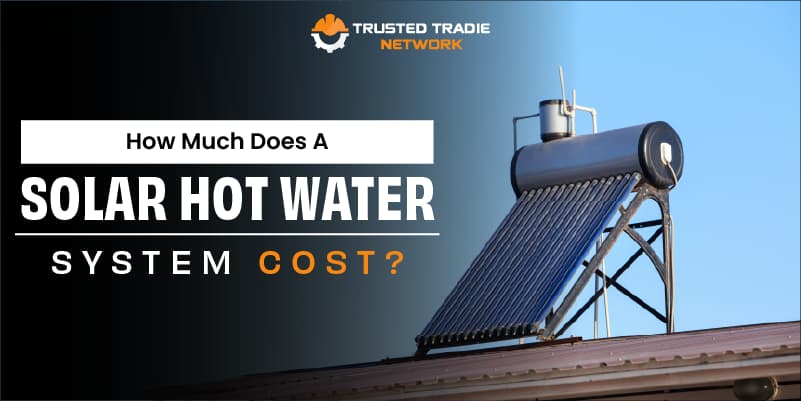
If you’re thinking about how much is a solar hot water system costs and about reducing energy bills and improving home efficiency, a solar warm water system is a smart investment.
In Australia, the cost of a solar hot water system usually ranges from $3,000 to $8,000, depending on tank size, brand, and installation complexity. This price includes both the system and professional installation, though factors like location, roof type, and additional plumbing can affect the total.
Modern systems can supply hot water for showers, taps, and appliances year-round, reducing electricity or gas usage. While the initial outlay may seem high, government rebates, incentives, and long-term energy savings make solar water heating cost-effective over time.
Understanding the solar hot water system running cost helps homeowners plan budgets confidently. Let’s dive deeper into it.
The typical solar hot water system in Australia costs between $3,000 and $8,000. Prices vary by system type, brand, and capacity.
Electric-boosted systems are ideal for homes with low gas availability.
|
System Type |
Average Cost |
|
250L Tank |
$3,000 to $4,500 |
|
315L Tank |
$4,500 to $6,000 |
Gas-boosted units heat water faster and suit larger households.
|
System Type |
Average Cost |
|
250L Tank |
$4,000 to $5,500 |
|
315L Tank |
$5,500 to $7,500 |
These systems combine solar panels with heat pumps for efficiency.
|
System Type |
Average Cost ($) |
|
250L Tank |
$6,000 to $8,000 |
|
315L Tank |
$7,000 to $8,000 |
Several factors influence solar hot water systems prices, making the final cost different for every household. For safety and warranty compliance, always hire a licensed tradie for installation. Professional installers ensure correct setup, maximize system efficiency, and prevent costly mistakes.
Let’s look at these factors in detail.
Electric, gas, or heat pump-assisted systems affect costs. Heat pump models are more expensive due to added technology, while electric units are cheaper. It is advisable to look at the difference between solar hot water vs electric hot water cost and grid power.
Larger tanks store more water and support bigger families but increase both solar water heating system cost and installation time. Smaller tanks are cheaper but may require additional boosting during peak usage.
High-quality brands often cost more upfront but last longer and offer better warranties. Budget models lower the solar power water heater price but may need more maintenance.
Installation complexity is another factor that affect water solar price. Roof type, orientation, and mounting height affect labor. Flat or easily accessible roofs reduce installation time, while steep or tiled roofs add to costs.
Electric or gas boosters increase efficiency but impact the cost of the solar water heater. Gas boosters heat faster and cost more, whereas electric boosters are cheaper but less efficient during peak usage.
Australian states offer rebates that lower the solar hot water heater price. Availability depends on eligibility, system type, and local programs.
Higher-rated systems reduce electricity usage, saving money long-term. Energy-efficient panels and tanks may raise the initial solar hot water system cost but provide significant savings over time.
Timers, smart controls, or corrosion-resistant coatings add to the system price but improve durability and convenience. Choosing extra features increases upfront costs but enhances performance.
Shading, roof orientation, and local climate impact performance. Homes with limited sun exposure may require larger systems, which increases cost of solar hot water system.
Investing in a solar hot water system pays off through reduced energy bills and long-term savings. Modern systems can cut water heating costs by up to 70%, depending on usage and household size.
A well-installed system can last 15–20 years with minimal maintenance. While the initial cost of solar water heater may seem high, ongoing savings and environmental benefits make it a smart choice.
Choosing the right system for your household ensures reliable hot water, lower electricity bills, and increased property value. Over time, the savings often outweigh installation costs.
Finding a qualified installer is crucial for performance and longevity. The Trusted Tradie Network connects homeowners with licensed professionals experienced in solar water heating installation. Each tradie profile includes customer reviews, services offered, and verified credentials.
Hiring through a trusted platform reduces the risks of poor workmanship or warranty issues. Contractors can advise on the right system, calculate tank size, and manage installation efficiently. Clear quotes and transparent pricing ensure homeowners know the solar hot water heater price.
Whether you want electric, gas, or hybrid systems, Trusted Tradie Network helps locate reliable installers who comply with safety standards. This ensures your system performs optimally and saves money over its lifespan.
A solar hot water system offers long-term savings and reliable hot water for your home. While upfront costs may feel significant, rebates, lower energy bills, and system longevity make it a worthwhile investment.
Choosing the right system and hiring a licensed installer ensures efficiency, safety, and durability. Factors like roof type, booster choice, and tank capacity affect the final price, but careful planning allows homeowners to get the best value.
With proper installation and maintenance, a solar water heating system can provide clean, cost-effective hot water for many years.
In Australia, a solar hot water system usually costs $3,000 to $8,000, depending on tank size, system type, brand, and installation complexity. Larger or decorative systems sit at the higher end of this range.
Costs depend on system type, tank size, booster choice, roof access, labour rates, and surface condition. Complex installations, larger tanks, or extra features increase the total solar hot water system cost.
Yes. Australian homeowners can access government rebates and incentives that reduce upfront costs. Availability depends on state programs, eligibility, and system type, making solar hot water more affordable.
Yes. It reduces energy bills by up to 70%, lasts 15–20 years, and offers long-term savings. Government rebates lower upfront costs, making it a practical, eco-friendly investment for households.
Yes. Old electric or gas systems can be upgraded to solar. Proper sizing and professional installation ensure efficiency, reliable hot water, and long-term savings on energy bills.