
WHY THISWORKS FOR EVERYONE
NO PLATFORM FEES
Direct, Simple Connections
QUALITY CONNECTIONS
Genuine Jobs, Real Responses
FASTER TRUST-BUILDING
Clear Profiles & Verified Details
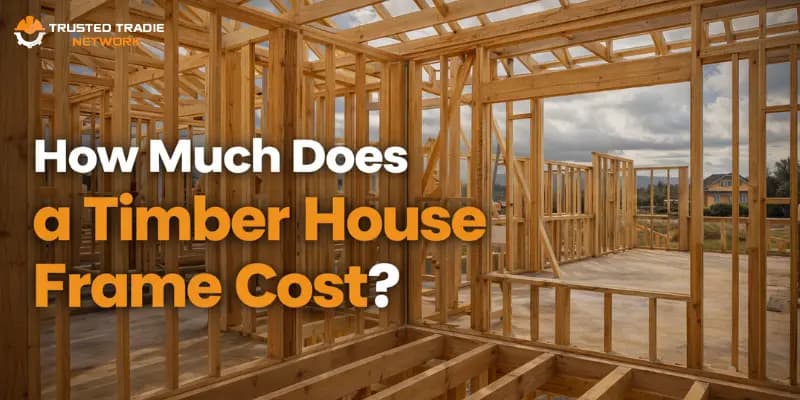
The first step in building and designing your dream home begins with knowing about the framework that holds everything together, and this is exactly what timber framing does. The most common question asked by anyone regarding timber frame construction is the cost of timber house frames and how much they should spend on it.
The price range for timber house frames per square meter varies between $1,200 and $1,800+.
The cost of timber house frames varies significantly based on certain parameters. Be it a small or a large house, you should be aware of the costs.
A timber frame is considered to be the framework of your house made up of framing wood. It can be defined as the backbone of your house.
The process of timber framing timber is considered to be cutting and shaping wooden components, usually handled by skilled carpenter, to make a strong framework for buildings. The use of this method of framing timber has been in practice for many years and is still popular today because it is flexible and cost-effective.
A strong timber frame is considered to have great durability and is flexible in terms of building designs.
The timber framing cost per m2 typically ranges between $1,200 to $1,800+ per square metre, depending on materials, labour, and complexity.
If you’re wondering how much does a timber house frame cost, here’s a simple breakdown to give you a clearer idea:
|
House Size |
Estimated Cost Range |
|
Small Home (100–150 m²) |
$120,000 – $270,000 |
|
Medium Home (150–250 m²) |
$180,000 – $450,000 |
|
Large Home (250–400 m²) |
$300,000 – $720,000 |
These figures are approximate and can change based on design choices, site conditions, and the type of timber used.
As you make your plans, it is essential to understand that the cost of timber house frames is not fixed. There are various factors that will determine the actual cost of timber frame construction. Understanding them will help you make a more precise budget.
The size and design of the house frame are essential factors to consider. It goes without saying that a simple design will cost you less than a complicated one. For instance, a single-storey timber frame house will cost you less than a multi-storey house.
This is due to the fact that a single-storey house requires less material and labor. On the other hand, a complicated design will increase the cost of timber frame house construction per square meter.
The quality of timber used for timber frame construction is essential. Hardwood timber is more expensive but of higher quality. Softwood timber, on the other hand, is cheaper.
However, it can be treated to prevent pest and moisture damage. This will increase the cost of timber frame construction slightly.
Labour costs are another important cost to consider. Skilled experts are needed to build a strong and stable house frame. Labour experts’ fees vary depending on their geographical area and expertise.
If you are hiring experts to build your house, the cost of hiring a carpenter may affect your budget. Even as you may want to cut costs, experts ensure that the frame in house building is well constructed to avoid future repairs.
Another cost to consider is site conditions. The cost of building may vary if your site is uneven or difficult to access. A flat and accessible site is important to cut down on costs.
Soil and environmental conditions may affect how the timber frame wall and foundation of the house are constructed.
Another factor to consider is the type of construction. You may opt to use prefabricated components or build on-site. The use of prefabricated components can help minimize the cost of building and the time taken.
On the other hand, traditional building is flexible but may increase the cost of labor and the time taken. Therefore, both factors may affect the rate of building the timber frame.
Another factor that may increase the cost of building is the complexity of the wall structure. A standard timber frame wall is simple to build. However, if you want to add other components such as insulation and soundproofing to your wall, it may increase the cost.
Similarly, large openings and complex designs may increase the cost of building the timber frame wall.
Beyond the frame itself, there are additional construction elements that indirectly impact your budget. For example, understanding internal wall costs after frame installation can give you a clearer picture of the total expense.
These finishing costs usually come after the structural work but should be considered early in the planning stage.
Lastly, you should consider the type of home you are planning to build. Whether it is a home, a modern timber construction house, or a stylish timber frame house, each home design has its own implications for cost.
Custom homes, although attractive, demand more materials, time, and labor, thus pushing up the cost of building a timber house frame.
In the end, understanding these factors helps you plan smarter and avoid unexpected expenses. With the right approach, you can balance quality and cost while building a strong and durable timber frame home.
However, reducing the costs of your timber house frame does not have to come at the expense of quality, and this can be achieved by making the right choices.
Here are some tips on how you can go about cutting down the cost of building a timber house frame:
Simple Design
Avoid using unique house designs. Simple house designs will cost you much less, especially when using wood for your house.
Cost-Effective Materials
Not all projects require the best materials. The type of material you choose will help you keep the cost down.
Plan Efficiently
Proper planning is essential in wooden house framing. Delays in construction can increase labour costs, so having a clear timeline helps avoid unnecessary expenses.
Compare Quotes from Professionals
Getting multiple quotes allows you to find competitive pricing and better deals, helping you stay within budget.
Hire Experienced Professionals
Working with skilled experts ensures the job is done correctly the first time. If you’re planning your project locally, it’s always a good idea to hire a carpenter near you in Australia to get reliable service and accurate pricing.
Consider Prefabrication
Using pre-made components can save both time and labour costs, making the construction process more efficient.
By following these steps, you can effectively manage your timber house frame cost while still ensuring a strong, durable, and high-quality structure.
When it comes to building a strong and reliable timber frame, it is important to ensure that you get the right experts to help you achieve this.
The Trusted Tradie Network is here to connect you to experts who have been verified to specialize in timber framing and building.
Whether you want to build a home or renovate an existing building, you can access the services of experts who understand the importance of quality work. From cost estimates to completion of the projects, the network ensures that you get the best services.
Understanding the cost of timber house frames is a critical aspect in planning your home building process. There are several aspects involved in building a house, from material to labor costs.
All these factors determine the total cost of your house. By knowing what the cost of your house is, you will be able to make the most out of your decisions, thus ensuring your house is constructed within your budget.
Whether it is a custom home or a simple house, planning and expertise will ease your process.
The cost typically ranges between $1,200 to $1,800+ per square metre, depending on the type of timber, design complexity, and labour charges.
Yes, timber framing is generally more affordable than steel framing. Timber is easier to work with, requires less specialised labour, and is often more cost-effective for residential construction.
A well-built and properly maintained timber frame can last 50 years or more. Using treated timber and ensuring protection against moisture and pests can further extend its lifespan.
Yes, timber framing requires regular maintenance to prevent issues like termite damage, rot, or moisture buildup.
Absolutely. You can reduce costs by choosing a simple design, using cost-effective materials, planning efficiently, and hiring experienced professionals to avoid costly mistakes and delays.