
WHY THISWORKS FOR EVERYONE
NO PLATFORM FEES
Direct, Simple Connections
QUALITY CONNECTIONS
Genuine Jobs, Real Responses
FASTER TRUST-BUILDING
Clear Profiles & Verified Details
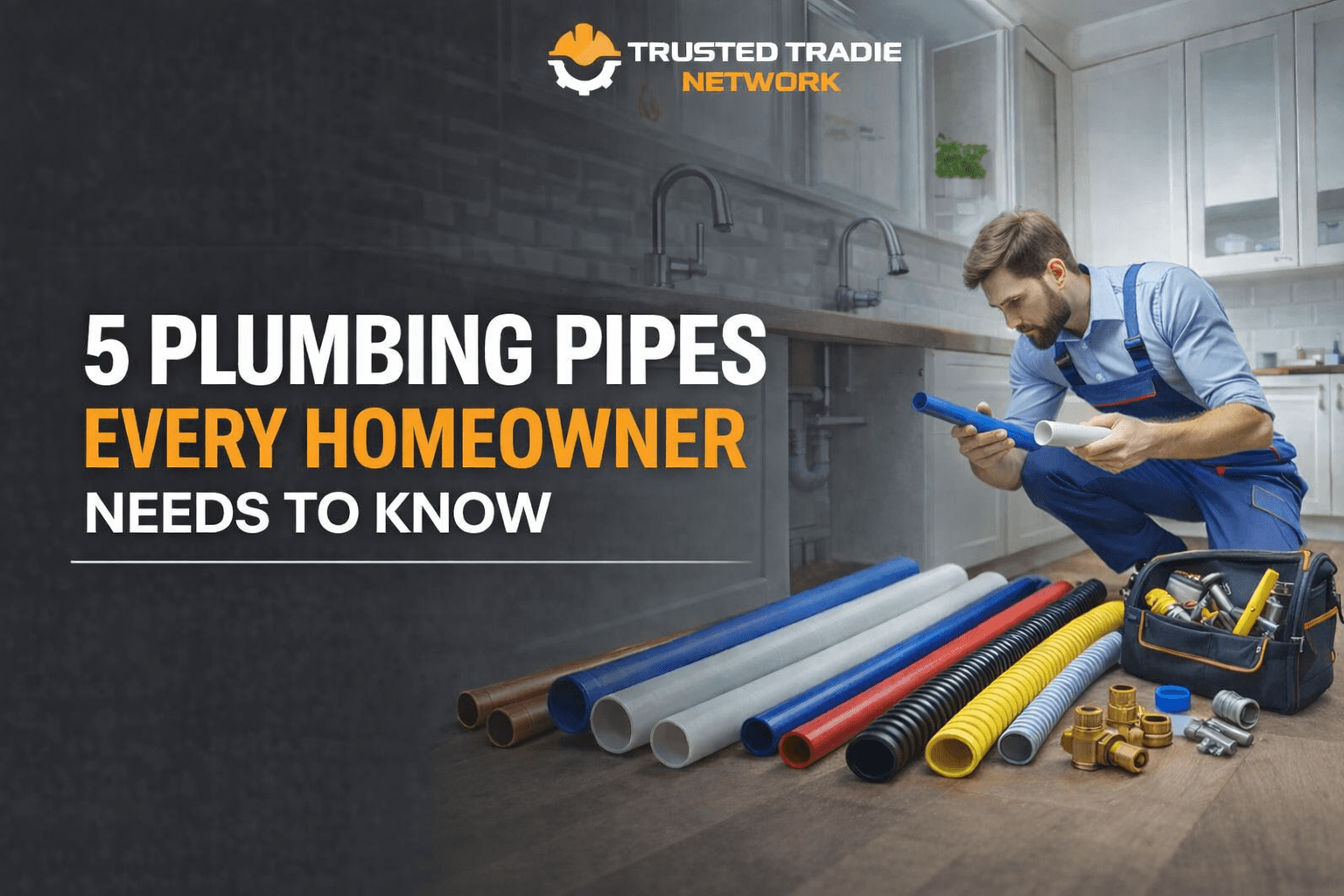
House plumbing leaks do not always show up at once. They develop slowly, hidden from sight behind walls, under floors, and within ceilings. A leak, a slow-draining sink, or low water pressure may indicate a larger problem with the plumbing system.
Many homeowners are not aware that plumbing pipe have different lifespans. Heat, water quality, pressure, and even installation influence the lifespan of plumbing pipes. Knowing types of plumbing pipes and fittings will enable you to make informed decisions when working on plumbing repairs or renovations.
This guide explains five essential plumbing piping type and tips to choose the right pipes. Let’s dive deeper into it.
The type of pipes used in a home plays a major role in many common plumbing issues every homeowners should know. Homes rely on different material for water pipes to carry clean water in and move waste out. Each pipe type serves a specific role based on temperature, pressure, and location.
Knowing these types of plumbing pipe fittings basics makes maintenance and upgrades far less stressful.
Let’s explore these 5 essential pipes types in detail.
Polyvinyl chloride pipes are widely used in residential plumbing, mainly for drainage, waste, and vent systems. They remove used water safely from bathrooms, kitchens, and laundry rooms.
Homeowners can easily recognize PVC pipes when they are doing some repairs in their homes because of their white or gray color and lightweight. Its simple design and wide availability make it one of the most commonly installed plumbing pipes in modern homes
The PVC pipes have a lifespan of 50 to 70 years when used indoors and correctly.
It does not corrode or rust, which enables the wastewater to flow freely without damaging the pipes internally.
The pipes have a smooth interior, which prevents obstructions from causing clogging of the drains.
The water pipe material is lightweight, which enables fast installation with less labor effort.
These plumbing pipe is priced affordably, making it ideal for large-scale drainage systems.
PVC pipes are not suitable for hot water, as they can warp or become weak due to exposure to heat
The pipes can become brittle and develop cracks when exposed to the sun for a long time
The pipes can split if they are not installed properly due to high water pressure
The pipes are more prone to impact damage compared to metal pipes
PEX pipes are flexible plastic pipes that can be used for both hot and cold water supply lines. They are particularly preferred for new constructions as well as renovation work because they can easily be bent around corners.
This makes them ideal for areas where access is difficult. They are also preferred over other pipes because they can easily withstand changes in temperature. Another reason why PEX pipes are preferred is because of their ease of installation, which makes them ideal for plumbing work where minimizing disruption is important.
PEX pipes usually last around 40 to 50 years under normal household conditions.
Flexible pipes can bend around corners of walls, minimizing joints and leakages.
These are resistant to corrosion, scaling, and mineral deposits, which makes them the best plumbing pipe for home.
PEX pipes can be installed faster, which saves time and lowers the plumber costs in Australia.
These water piping works well with both hot and cold water.
Exposure to sunlight will degrade the material, restricting its use outdoors.
PEX may be chewed through by rodents in certain environments.
Requires proper fittings to prevent long-term joint failure.
Exposure to sunlight will degrade the water type material, restricting its use outdoors.
Copper pipes have long been a reliable option in homes across Australia. They are often used for water supply lines and hot water lines. Copper is preferred for its strength, resistance to heat, and ability to deliver clean water. Many residential buildings are still using copper pipes, which have been working well even after all these years.
These pipes are not very flexible, which makes them difficult to install. Copper pipes are most suitable for homes with consistent water quality and those that require durability as an important factor. Even though they are expensive, many people still opt for copper pipes because of their reliability.
Copper pipes can last 50 to 70 years, depending on water conditions and maintenance.
Excellent heat resistance makes copper pipes suitable for hot water supply systems.
These types of plumbing pipe offer a long lifespan when the quality of water is balanced.
Retains clean drinking water without leaching chemicals.
These are resistant to physical damage due to their strong structure.
Higher material and installation costs compared to plastic pipes.
Corrosion can occur inside water pipe due to acidic water.
Requires expert labor, increasing the cost of plumbers.
Installation is slower due to the rigid structure in tight spaces.
Galvanized steel pipes are most often found in older homes built several decades ago. These pipes are made of steel coated with zinc to slow rust formation. At first, they perform well under pressure. Over time, the zinc coating wears away, allowing rust to form inside the pipe.
This buildup restricts water flow and affects water quality. Many homeowners replace galvanized pipes during renovations due to aging issues. While durable in their early years, these pipes are now considered outdated for modern plumbing systems.
Galvanized steel pipes usually last 40 to 50 years before corrosion becomes severe.
These pipe plastic water have strong material that withstands physical impact.
These pipes are initially resistant to rust due to the zinc coating.
They are long-lasting during the early years of use.
Galvanized steel pipes handle high water pressure effectively.
Internal rust buildup restricts water flow.
Water discoloration becomes common as pipes age.
Heavyweight increases labor time during replacement.
These are difficult to repair once corrosion begins.
CPVC pipes are similar to PVC but designed to handle higher temperatures. They are commonly used for indoor hot and cold water supply lines. CPVC offers better heat resistance while remaining lighter than metal pipes. These pipes are rigid and require fittings at turns, which affects installation time.
CPVC works best inside walls where the temperature remains stable. It provides a balance between affordability and heat performance, making it a popular option for homeowners upgrading older plumbing systems without switching to metal pipes.
CPVC pipes typically last 40 to 50 years in indoor environments.
These pipes are suitable for hot water without softening or warping.
CPVC pipes are resistant to corrosion and chemical reactions, making them ideal for use.
Usually, they have lower installation costs than metal pipes.
A smooth interior reduces mineral buildup.
These water pipeline materials become brittle in cold environments.
In general, they crack more easily under physical stress
CPVC pipes are not suitable for outdoor or exposed use
They have a shorter lifespan than copper under heavy use.
Choosing the right pipe depends on more than budget. It depends on how your home uses water every day.
Here are the key steps to choose the right plumbing pipe work for your home.
Match the Pipe to Its Purpose: Hot water lines need heat-resistant pipes. Drainage pipes focus on smooth flow and durability. Using the wrong pipe in the wrong place leads to early failure.
Consider Installation Location: Pipes inside walls face fewer temperature changes. Outdoor or exposed pipes need stronger materials. Space limitations also affect pipe choice.
Ask Questions: Ask questions before hiring a plumber. Ask about lifespan, maintenance, and code compliance. Confirm if the removal of old pipes is included in the quote.
Plan for Long-Term Use: Cheaper pipes may cost more over time if repairs are frequent. Balance upfront cost with durability and reliability.
Selecting the right type of pipe is only the first step. Proper pipe installation is just as important. The Trusted Tradie Network connects homeowners with licensed plumbers who know what they are doing and the proper pipe installation guide.
Experienced plumbers will evaluate the quality of the water, the location of the pipes, and the intended use before making any recommendations. They will also give homeowners a clear idea of the costs involved, so there are no surprises down the line when repairs or renovations are needed.
Working with experienced professionals helps ensure pipes last longer and perform as expected. Reliable workmanship protects your home, saves money, and avoids repeat plumbing issues.
Plumbing pipes can remain hidden, but their influence is experienced every day. Whether it is water pressure or the cost of repair, the best pipe selection determines long-term comfort and safety. Plumbing pipe pros and cons both impact the pipe selection.
Homeowners need to understand to make rational decisions rather than making hasty repairs. With proper installation, the best pipes will safeguard your home for many years.
PEX pipe is a flexible plastic pipe used for hot and cold water in homes. It bends easily, installs fast, and does not rust. Many Australian homes use it during new builds and plumbing upgrades.
The right pipe depends on where it is used, water heat, and budget. Hot water needs heat-safe pipes. Drain pipes need a smooth flow. A licensed plumber can suggest the best option for your home.
Check for leaks, slow drains, and low water pressure. Fix small problems early. Avoid pouring grease down sinks. Do not ignore stains, damp walls, or strange smells around pipes.
Copper and CPVC pipes work best for hot water systems. They handle heat safely and last longer when installed correctly. PEX is also used when protected from sunlight and sharp objects.
Signs include rusty water, low pressure, leaks, frequent repairs, or pipe age over forty years. Noises in pipes and damp walls also signal damage that may need pipe replacement.