
WHY THISWORKS FOR EVERYONE
DIRECT CONNECTIONS
Simple, Straightforward Hiring
SEAMLESS CONNECTIONS
No Middlemen, Real Conversations
REAL CONNECTIONS
Talk Directly, Hire Confidently
Peeling paint, sagging gutters, or water damage near your roofline could be signs of fascia problems. Many homeowners ignore fascia boards until leaks or structural damage begins to appear.
The fascia of house plays a quiet but critical role in protecting your home. Without the fascia, the edges of the roof would appear very unfinished and remain open to rain and insects.
Understanding what fascia is helps you to recognize problems early on to prevent costly repairs later. Let's break down roof fascia in detail so you know exactly what to look for and why fascia roof important.
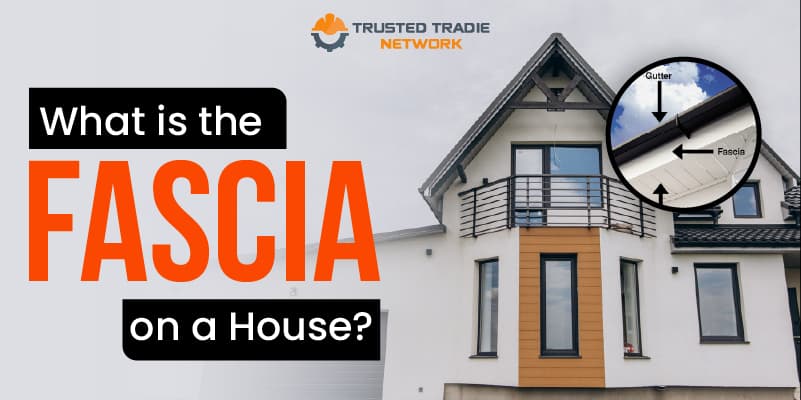
Fascia for roofing is the long horizontal board installed along the lower edge of the roof around the house. It is located at the point where the roof meets the outer walls and goes around the entire building. Primarily, it is used to support the gutter system and the roof edge to protect it against weather-related damage.
It is important in sealing off gaps that could provide an entry point for water, insects, or even birds into the roof space.
From an aesthetic point of view, fascia provides a smooth finish to the roofline. In Australia, it plays an important role in roof edge components and protection, keeping gutters stable and preventing water, pests, or debris from entering the roof space.
To understand how fascia protects your roof, it helps to look at the connected parts working alongside it.
Fascia works together with other connected parts to ensure proper drainage as well as protect the roof. All the different parts have their specific roles to play.
Let’s look at these parts.
The fascia board meaning is simple. It is the most prominent roof panel that is mounted on top of the roof trusses. The board is mounted horizontally along the edge of the roof and forms a stable platform for gutters to be mounted on. It prevents water and insects from entering the roof.
Gutters are mounted directly onto the fascia board. Gutters attach directly to the fascia board and help direct rainwater away from the house. If the fascia weakens, gutters may begin sagging or leaking.
The soffit sits at the bottom of the fascia board, filling the area between the edge of the roof and the wall of the house. This lets airflow enter the roof space but prevents insects and debris from getting in. An effective airflow at the soffit prevents the buildup of moisture or heat in the roof space.
The ends of the roof trusses are positioned behind the fascia board. The fascia board hides these roofing structures from the possible damage caused by rainfall and UV rays. The fascia board shields the roof truss ends, thus prolonging the lifespan of the roof structure.
Trim is utilized for covering joints and edges around the fascias and soffit. The trim is beneficial for enhancing the finished look and protecting exposed areas from moisture. Trim also helps hide fixings and creates a clean transition between different roof elements.
Australian houses use a variety of fascia materials depending on the regional climate, cost, and personal preference. Each type has its benefits and disadvantages.
Timber fascia is common in older homes, especially in traditional architectural styles. It has a natural look, and it can easily be painted. However, timber requires regular maintenance. In the absence of such care, timber can deteriorate, twist, or even develop termites, especially in regions with high rainfall.
Aluminum fascia is light, strong, and rust-resistant. This fascia board purpose is to remain suitable for use in a coastal environment where salted air can easily damage other materials. It requires less maintenance and is easy to paint. It is commonly used in modern house construction for its sleek look.
PVC fascia boards are moisture-resistant and do not rot or rust. They are also very easy to install and require little maintenance. Though they might not complement every type of house, they can be ideal to install in regions witnessing high rainfall and humidity.
Fibre cement fascia combines strength and weather resistance. It does not warp, rot, or attract pests. This material suits most Australian climates, providing a good, solid base for gutters. It's a bit heavier than other options, but considering the long-term view, it's durable.
Properly cared-for fascia boards can last longer. Regular checks and small actions can prevent major damage.
Inspect your fascia at least twice per year. Check for peeling paint, cracks, or soft spots. Early signs of damage are easier and cheaper to fix rather than advanced decay.
Water overflows onto the fascia when gutters are blocked. This continuous moisture promotes rot and paint failure. Cleaning gutters will protect the fascia and provide improved drainage for heavy rain.
It acts like a protective layer on it. If peeling or fading starts, moisture can actually seep into the fascia material. It's that sealing of the surface that helps in increasing their lifespan through repainting every few years.
Leaks or dripping gutters or roofs can result in waterlogged fascias. Leaks should be dealt with promptly to prevent water damage from reaching the edges of roofs and walls.
Hiring licensed tradies ensures that colorbond fascia cover installation and other maintenance work is done safely and correctly, protecting your roof and property long-term.
Damaged fascia can quickly lead to gutter issues, roof leaks, and moisture damage around your home. Since fascia repairs involve roof edges and drainage systems, hiring experienced tradies is important for safe and long-lasting results.
Trusted Tradie Network connects Australian homeowners with local tradies experienced in fascia repairs and replacements.
Instead of contacting multiple contractors one by one, you can post your job details and compare quotes from qualified local tradies in one place. This makes the process quicker, easier, and more transparent.
Licensed tradies ensure fascia installation and repair work is completed correctly, safely, and built to last.
Choosing the right professionals early can save you time, reduce future repair costs, and help protect your roof structure for years.
Fascia boards do more than improve the appearance of your roofline. They help support gutters, protect roof edges, and prevent water damage from spreading into your home.
Regular inspections and timely repairs can help you avoid expensive structural problems later. Choosing the right fascia material and maintaining it properly will keep your roofline strong and protected for years.
Fascia is the board fixed along the roof edge where gutters attach. It protects the roof structure from rain, supports drainage, and gives Australian homes a clean and finished roofline.
Fascia replacement costs depend on material, damage level, and access. Minor repairs are affordable, while full replacements are expensive. Fixing issues early usually saves money and prevents wider roof or gutter damage.
Fascia runs along the roof edge and supports gutters. Soffit sits underneath the roof overhang and allows airflow into the roof space while keeping pests and debris out.
Fascia is part of the roof system, not siding. It connects the roof edge to the guttering and protects exposed roof framing from weather and moisture damage.
Common signs of fascia board on roof damage include peeling paint, soft or rotting wood, sagging gutters, visible cracks, and water stains near the roof edge. These signs mean the fascia needs inspection or repair.